Armenian Patriarch Minassian: Persecution has strengthened Christian hope and identity
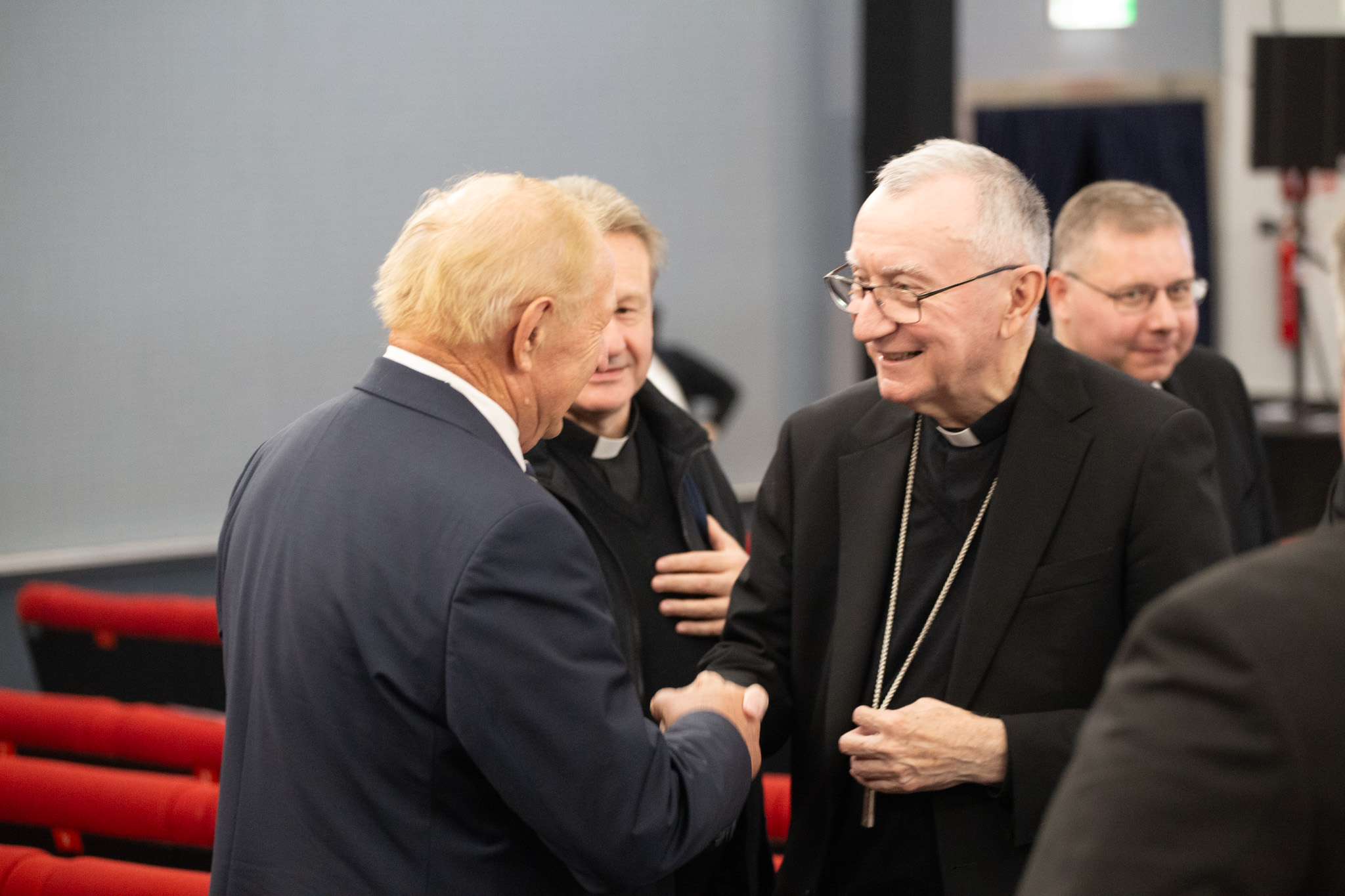
Armenian Catholic Patriarch Raphaël Bedros XXI Minassian emphasized the significance of his Church’s centuries-old and continuing presence in the Middle East, despite the grave challenges its faithful have endured, including massacres, genocide, famine, and other hardships.
He described this endurance as a sign of hope and resilience that strengthens him to continue in the footsteps of his forebears and live the faith according to their example.
In an exclusive interview with EWTN News, conducted in cooperation with its Middle East and North Africa sister news outlet ACI MENA, Minassian said the Armenian Catholic Church, like all Churches in communion with the universal Church, remains committed to its vocation of living out and bearing witness to the faith through good example and serving its people with love and an open heart.
Our Lady of Bzommar Monastery: A witness to resilience
Minassian pointed to the resilience of Our Lady of Bzommar Monastery, which has housed the historic seat of the Armenian Catholic patriarchal see in Lebanon for several centuries. Despite the many hardships endured by the monastery and its residents over the years, it remains standing today.
“There are no challenges or difficulties that we cannot overcome before returning to continue our mission and bear witness to the whole world,” he said.
Minassian expressed confidence that the difficulties currently taking place in the Middle East and around the world will eventually pass.
“After the storm, the sun always shines, and a brighter future comes,” he said.
He said his personal experience as a member of the first generation born after the Armenian genocide of 1915, and as the son of a father who was orphaned because of it, taught him that severe challenges and persecution can deepen hope and strengthen Christians to continue their vocation, safeguard their faith, and take pride in their Christian identity.
Absence of an effective international Christian presence
Minassian also addressed the responsibility carried by the patriarchs of the Eastern churches as fathers and servants of their communities. He said they must work diligently to provide for the spiritual and social needs of their people.
“This is a great responsibility, and the Western world sometimes does not understand its magnitude,” he said.
At the same time, he expressed disappointment over the absence of an effective international Christian presence during recent events. Nevertheless, he affirmed his absolute trust in Jesus Christ, “who is present with us in the Eucharist,” and in God’s ability to provide everything his children need.
Amid growing pressures targeting Christians and Church properties in the region and around the world, Minassian said he believes that sincere work for genuine peace, rather than political peace, will restore rights to their rightful owners and allow every person to have a home, a church, and a land.
“This is my faith. It may be somewhat idealistic, but I believe deeply in God’s divine providence and place my trust in it,” he said.
Youth and the diaspora
Minassian drew attention to the difficulties facing the Armenian Catholic Church because it is not always able to establish parishes in different parts of Europe and the Americas.
As a result, many Armenian Catholic families in the diaspora do not have access to a church or priest who can serve them according to their own rite.
He also noted the lack of cooperation his church sometimes encounters from Latin-rite churches, despite the Armenian Catholic Church’s willingness to cooperate with and welcome everyone without conditions.
“We do not always receive the same treatment from the Western mentality,” he said.
Minassian called on Armenian Catholics in their homelands and throughout the diaspora to continue their journey and remain committed to their mission of bearing witness to the Lord and his saving work, through which the world is redeemed and granted eternal life.
He also encouraged young people serving in the Church to carry out their ministry with joy and humility.
He expressed hope that the synodal journey within the universal Church would pave “a path that enables us to walk together,” allowing the Eastern and Western Churches to fulfill their mission of drawing closer to one another “and walking together toward our Savior, Jesus Christ.”
One Church
Speaking about the relationship between the two branches of the Armenian Church, Minassian stressed that, in reality and at its deepest level, it is one Church. He explained that global politics, wars, and massacres imposed the division seen today, but that the Lord Jesus remains one and continues to unite his people.
Minassian described the communion, cooperation, and mutual respect shared among the Eastern Churches as a practical expression of unity and a source of genuine hope. He pointed to their openness, love, and readiness to serve, make sacrifices, and support one another during difficult times.
Drawing on the words of Jesus — “As I have loved you, so you also should love one another. This is how all will know that you are my disciples” — the Armenian Catholic patriarch concluded with a message to Christians around the world: “May every Christian be ready to sacrifice himself for the good of others.”
This story was first published by ACI MENA, the Arabic-language sister service of EWTN News. It has been translated and adapted by EWTN News English.
Saint of the Day – rosary.team