Beauty, tradition, fellowship drive surge in new Catholic converts at Stanford University
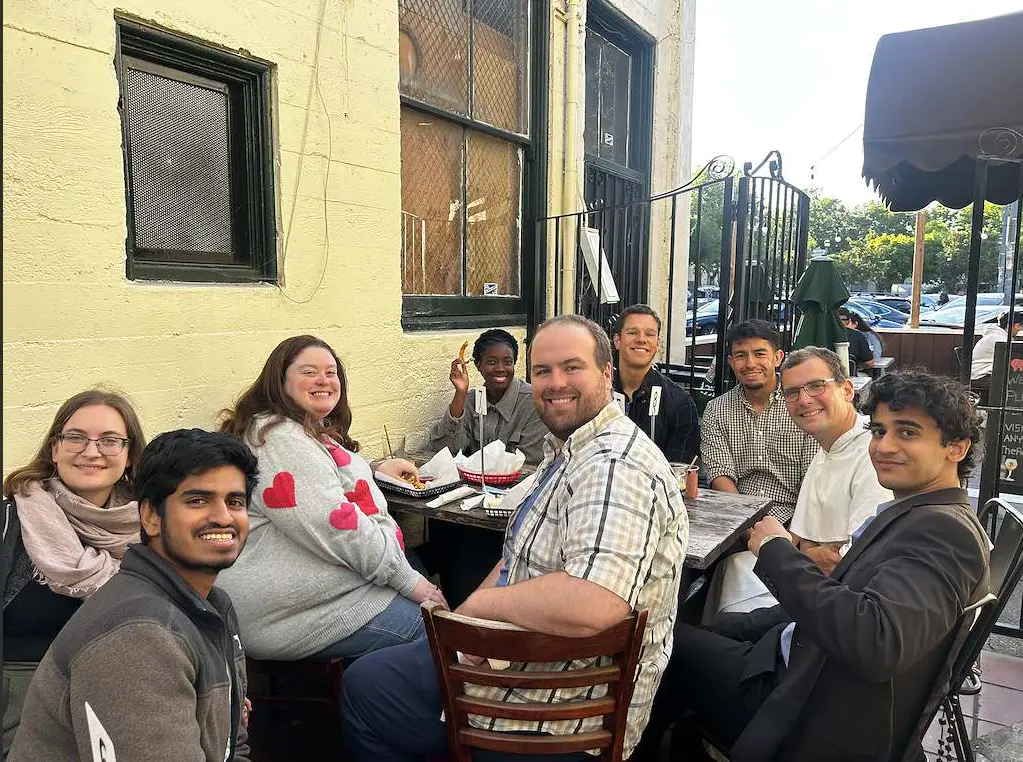
At Stanford University, one of the worldʼs most prestigious academic institutions, a quiet spiritual movement is taking hold. Over the past year, the Catholic Community at Stanford (CC@S) has seen a dramatic rise in adults entering the Catholic Church through the Order of Christian Initiation of Adults (OCIA).
According to the university’s independent newspaper The Stanford Review, 16 adults were baptized at the 2026 Easter Vigil and 46 candidates were received into full communion with the Catholic Church — a major increase from the historical average of just four per year over the last three decades.
The growth at Stanford reflects a wider trend among young adults seeking stability, meaning, and purpose.
The surge in interest in Catholic sacramental life at Stanford follows a shift within the campus ministry, led by the Dominican friars, or Order of Preachers, who have served the university for more than 35 years.
“Stanford is our mission field, and if excellence is on the mind of the people that weʼre serving, we also need to make excellence a part of our ministry,” said Dominican Father Bart Hutcherson, pastor of the CC@S for the past two years.
“There has been a shift in the last couple of years because we decided two years ago that we were really going to focus on the student community. Our real mission, our real reason for existence as a parish on the university campus, is to serve the needs, the spiritual needs, the religious needs of the student population.”
Hutcherson also noted a shift in student preferences toward sacred history and rich heritage of Catholic culture and theology compared with previous decades.
“Now, I find itʼs shifted so that students are really attracted to a more traditional kind of worship, and we worship in the beautiful church here on Stanfordʼs campus,” the priest said. “It lends itself to more traditional forms of worship, and so my attitude is that our liturgy has to be as majestic and beautiful as the place that we worship. I find that young people are responding to beauty. Beauty is one of those things that, you know, in Catholic tradition, we call it ‘transcendental.’ So many people are responding to that in a really glorious way, and so what we’ve seen is an increase in the number of people that participate in our worship on Sunday.”
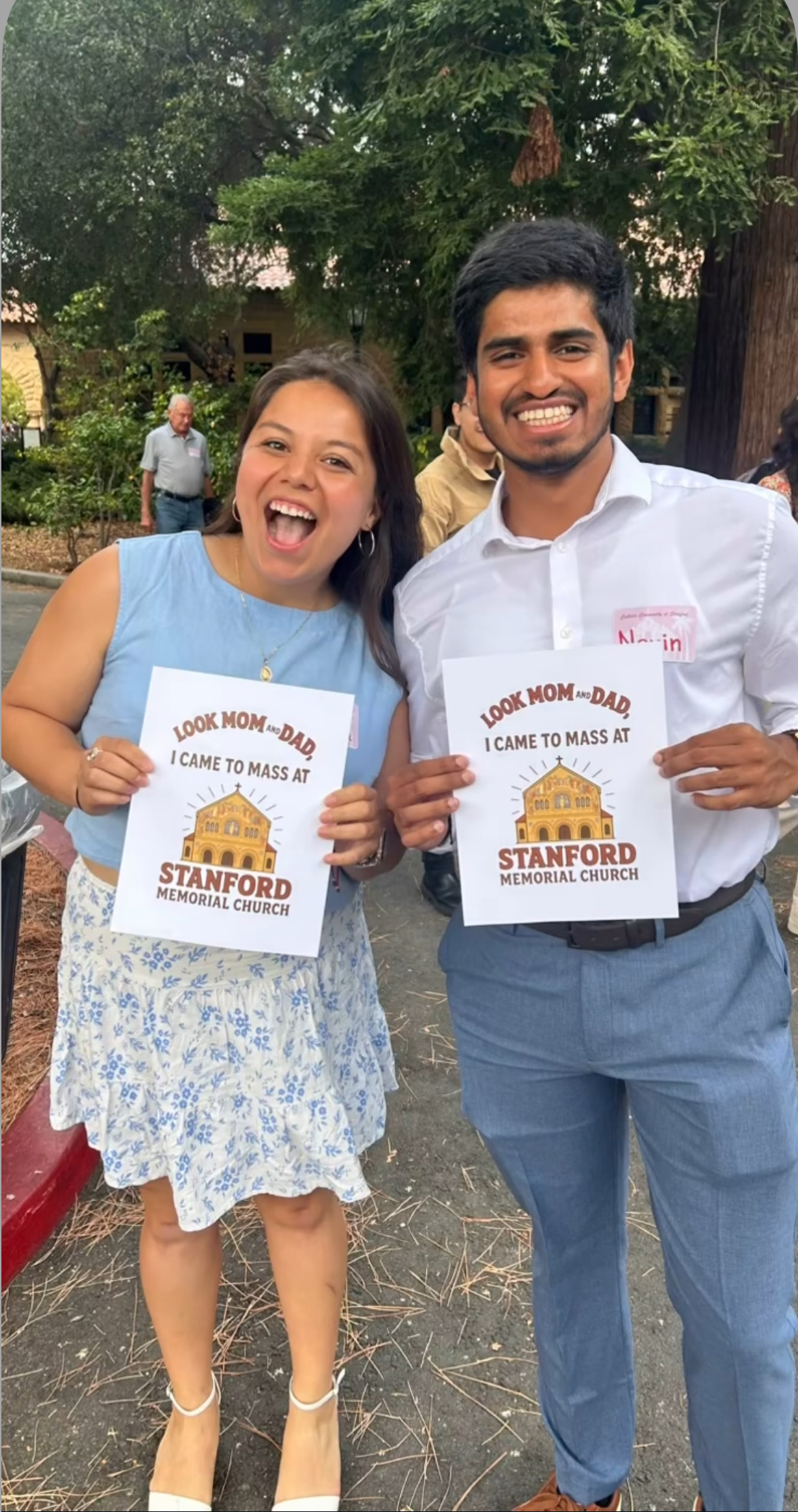
Longtime faculty members have also witnessed this shift firsthand across the campus community.
Stanford professor and director of its Religious Liberty Clinic James Sonne said increased interest in the Catholic faith is one of the most remarkable developments he has seen in his time on campus, which is more than a decade.
“From my perspective, Stanford is a particularly encouraging place for students of all faiths,” he told EWTN News. “For Catholics, the vibrancy of that community here reflects in many ways a new springtime for the Church, rooted in hope, love, and mercy, that Pope John Paul II famously envisioned.”
Sonne also highlighted the unique contribution of Dominican friars serving the university’s intellectual and spiritual needs, stating that their joy and hope are one of the best gifts they have to offer the community, as valuable as their intellect and understanding of the Catholic Church.
Sonne noted how defending religious freedom fosters human connection across diverse backgrounds. “In a program that honors religious liberty as a universal right through supervised advocacy for clients of all faiths, our students’ thoughtful and collaborative work for individuals and communities who suffer for their beliefs has illustrated that such liberty can and should be a uniting human value for those of any or no religious faith,” he said.
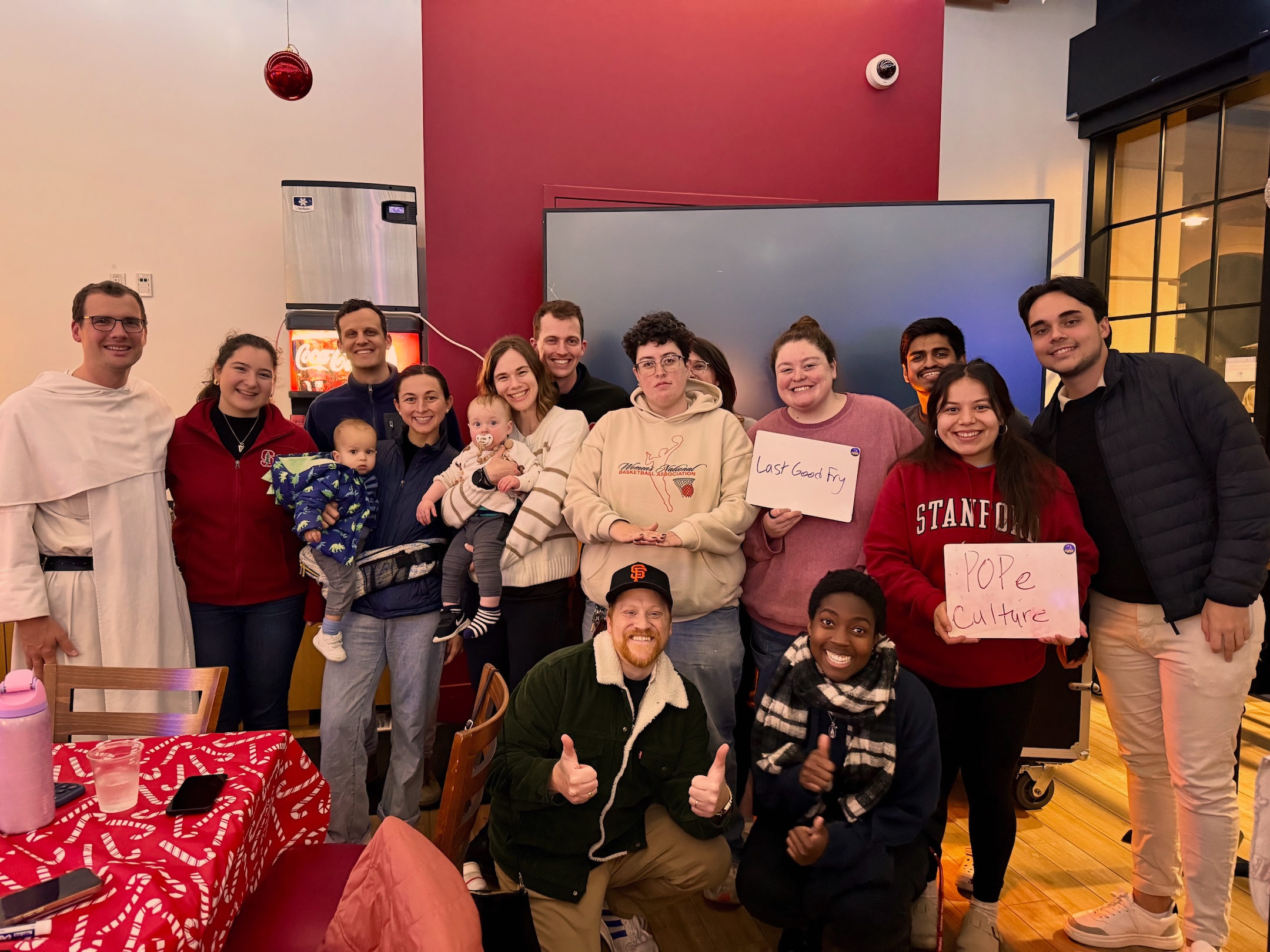
At an institution like Stanford, where graduate students make up a significant portion of its student body, intellectual inquiry and community play essential roles in attracting newcomers and religious seekers. Doctoral candidate Lisa Archuleta, who also serves as co-president of the Stanford Graduate Catholic Student Association (GCSA), recalled her initial arrival on campus and her desire to stay close to her faith.
“My faith is always something that I’ve taken with me wherever I’ve gone,” Archuleta told EWTN News. “I knew coming to Stanford wouldn’t be any different. Stepping into leadership was something that called me during my second year of my Ph.D., but I didn’t actually help until my third year. Now, I’m serving as co-president, and I have the opportunity to connect with students intentionally and intimately. Our mission focuses on empowering grad students to flourish in all aspects of their life. Every year since I’ve been a grad student, we’ve grown as a community and expanded the different events we host.”
For Archuleta and many others, GCSA’s offering of space where rigorous academic inquiry and Catholic dogma intersect is a saving grace.
“GCSA hosts monthly dinners and talks where we invite speakers from all over to speak on topics from ‘Art and AI’ to ‘How to Pray in Grad School’ to ‘Being Gay and Catholic.’ The wide range of topics allows for students to bring their curiosities and intellectual interests into conversation with the Catholic faith,” Archuleta explained.
Hutcherson told EWTN News that Stanford students are drawn specifically to Catholicism’s 2,000-year philosophical and theological tradition rooted in consistent teaching and the philosophy of the West.
“I think that the intellectual minds of a place like Stanford, who are not looking for quick, easy answers, I think that the intellectual tradition of the Church really does give them something to sink their teeth into,” he said.
For many students navigating demanding academic loads and heavily packed schedules, frequent access to Eucharistic adoration, daily Mass, and personal fellowship provides an essential spiritual anchor.
“During my time here, I’ve definitely noticed a huge shift toward Catholicism, and more generally, community amongst grad students over the past two years,” Archuleta said. “One major initiative that Father Chrysostom {Mijinke, OP] and Father Bart have provided at CC@S is multiple opportunities for weekly Eucharistic adoration and confessions. For me, this was huge. I knew that there were set times where I could encounter the Blessed Sacrament, which provided a solid foundation for my continual spiritual development.”
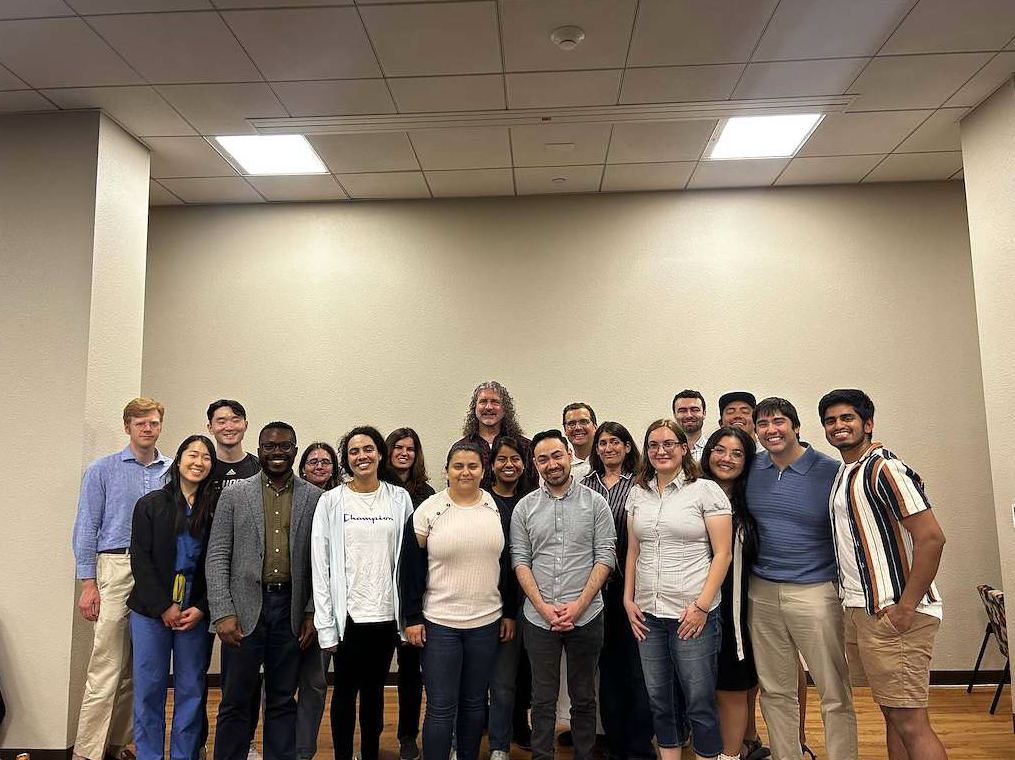
Beyond structured lectures and classes, personal encounters and peer mentorship remain the heart of evangelization on campus. Archuleta reflected on how one of the most fulfilling moments during her time at Stanford was meeting a dear friend through one of their mutual classes and connecting through Mass, guiding each other through their faith journeys. A quarter of the school year later, he asked Archuleta to be his confirmation sponsor.
While hesitant to declare a nationwide trend based on local figures alone, Hutcherson recognized that in his 30 years of working in the university’s campus ministry, something remarkable is taking place among Gen Z Catholics at Stanford and beyond.
“Iʼve been hesitant to call it a revival. I donʼt think that we have enough data to say itʼs a revival,” Hutcherson said. “The Spirit is moving in remarkable ways. And thatʼs what Iʼm seeing now in a way that I havenʼt seen in a while … thereʼs a group of people that are willing to express their love for Jesus and his Church and her teachings. So Godʼs doing great things.”
Saint of the Day – rosary.team