U.S. bishops urge Catholic voters to put faith before politics
Louisville, Kentucky, Archbishop Shelton Fabre says Catholics must form their consciences through Church teaching and place faith ahead of political identity in two videos released Oct. 1.
Fabre reminded Catholics of their “responsibility to vote” and to “form our consciences according to the Gospel and Church teaching” in the video messages produced by the U.S. Conference of Catholic Bishops (USCCB). The bishops released the videos as U.S. voters prepare for the 2026 midterm elections Nov. 3 that will decide control of Congress, dozens of governorships, and hundreds of state‑level offices nationwide.
“Our identity in Christ must come before any political identity,” said Fabre, chair of the USCCB’s Committee on Domestic Justice and Human Development.
Our identity in Christ must come before any political identity.”
Bishop Shelton Fabre of LouisvilleChair of the U.S. bishops’ Committee on Domestic Justice and Human Development
Fabre said voting is a moral act rooted in the dignity of human life, charity toward others, and the pursuit of the common good.
“We discern and we pray, and we participate in public life by voting, but also in many other ways, by advocating for the human dignity of each and every person, and also always reminding political structures and political groups that our concern is for the common good,” Fabre said in the video "Forming Our Consciences and Voting.”
“At the center of my decision is my desire to be the best disciple of Jesus Christ that I can be,” Fabre said in the video "The Call to Put Faith Before Politics."
Clergy training
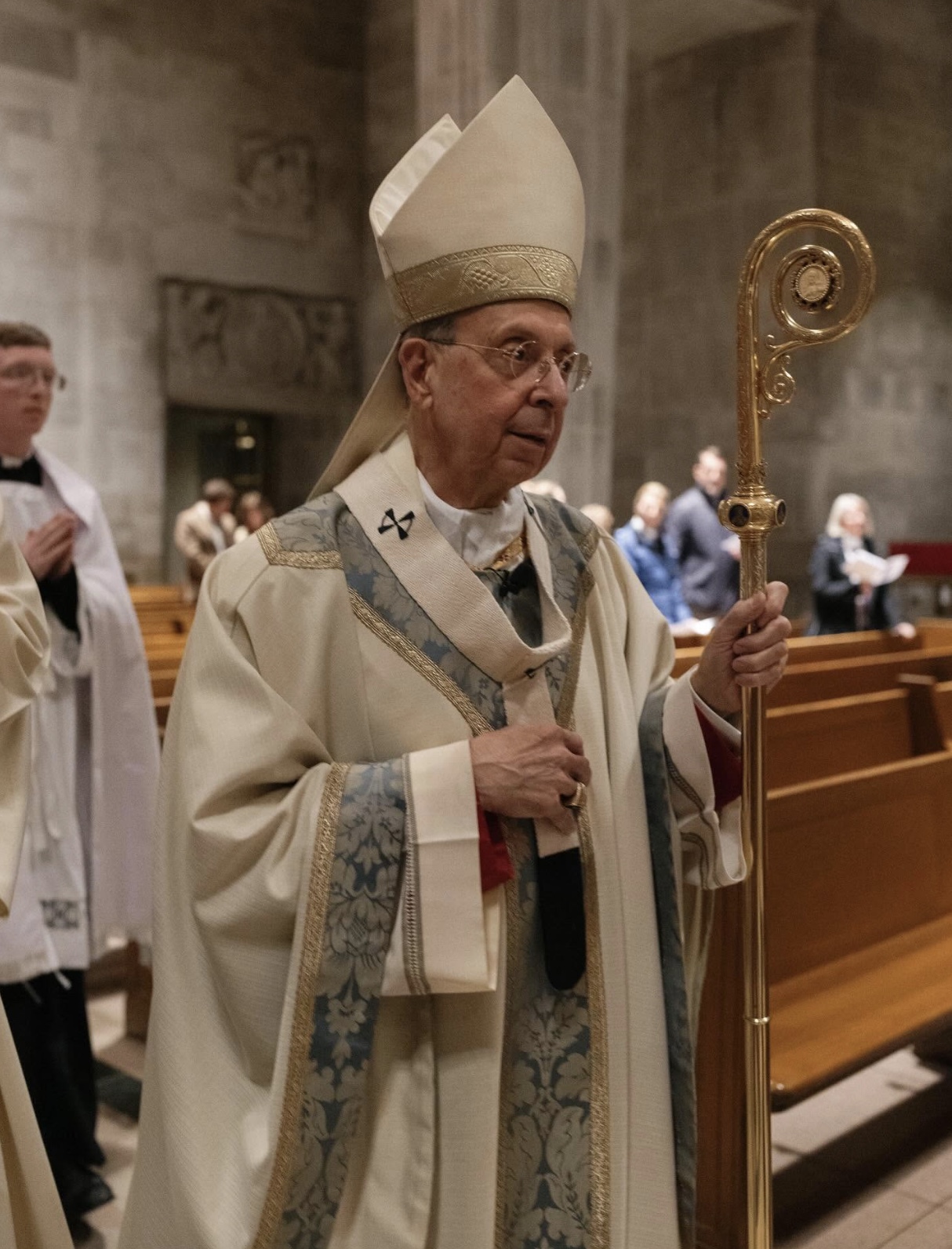
Another USCCB video titled “Preaching Faithful Citizenship and the Call to Put Faith Before Politics,” released last month, features Bishop Daniel E. Flores of Brownsville, Texas; Archbishop William E. Lori of Baltimore; and Archbishop Alexander K. Sample of Portland, Oregon. Catholics must witness to Christ’s love in how they speak, act, and engage politically — not only in what positions they hold, the prelates say in the 16-minute video.
“We need to be agents that promote unity among people, dialogue among people, meaningful conversations among people, respecting the dignity of each and every person who is my neighbor,” Sample said in the video. “This is the whole surrounding question around the story of the good Samaritan. And Jesus teaches us in that parable, and we can instruct our people to look there, because that whole parable of the good Samaritan begins with the question, ‘And who is my neighbor?’”
Lori said: “I think that that is one of the things that we have to learn to do continually in the life of the Church is to encounter one another, not because we agree on everything, but precisely in those things where we might disagree, but looking at the other person, not as a position to be disagreed with, but a person made in Godʼs image and likeness and called to eternal life.”
A written guide for clergy offers a structured training plan to help them teach Catholics how to engage in political life with a well-formed conscience rooted in Church teaching.
Saint of the Day – rosary.team