Pope Leo XIV: The musical heritage of the Church must be preserved
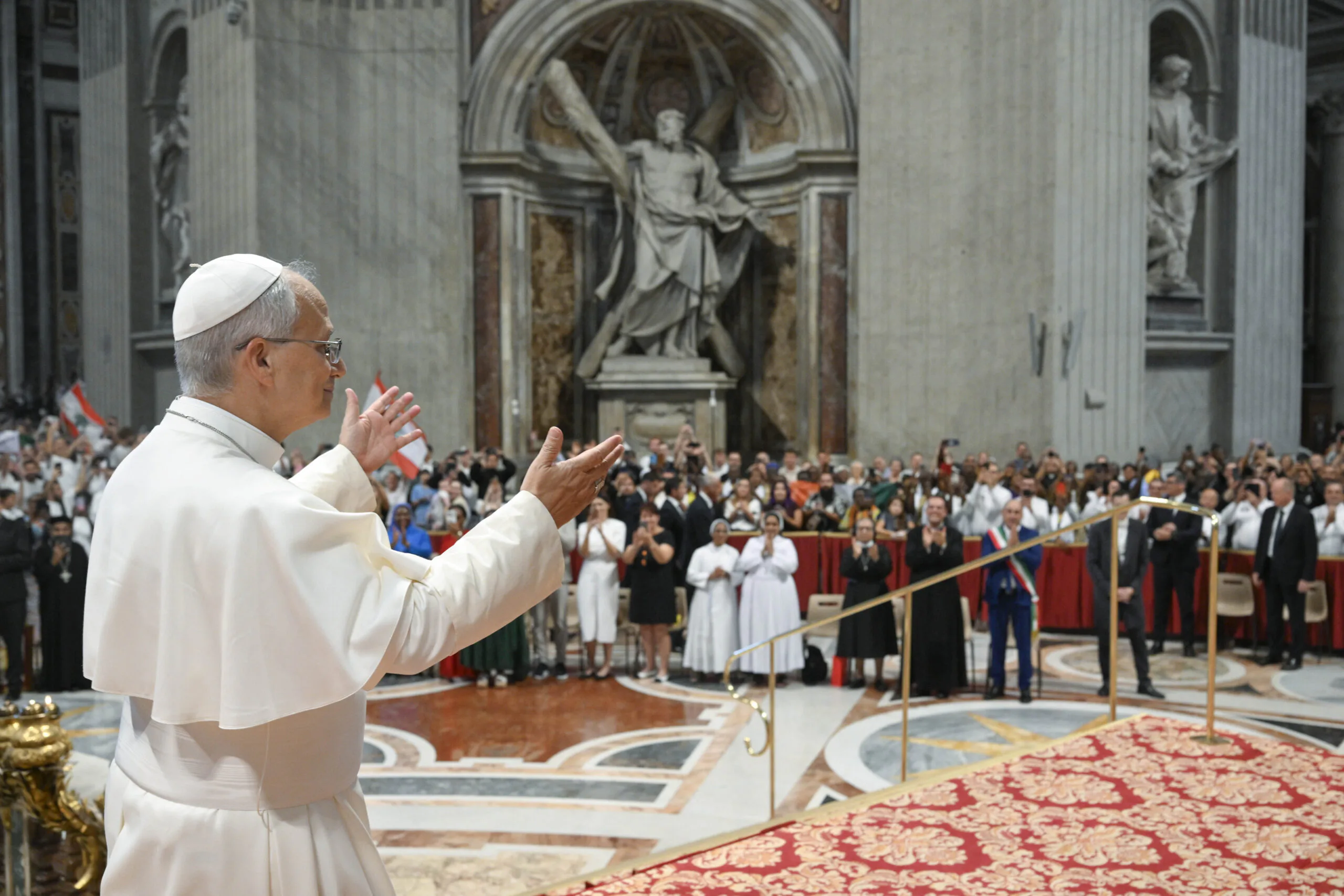
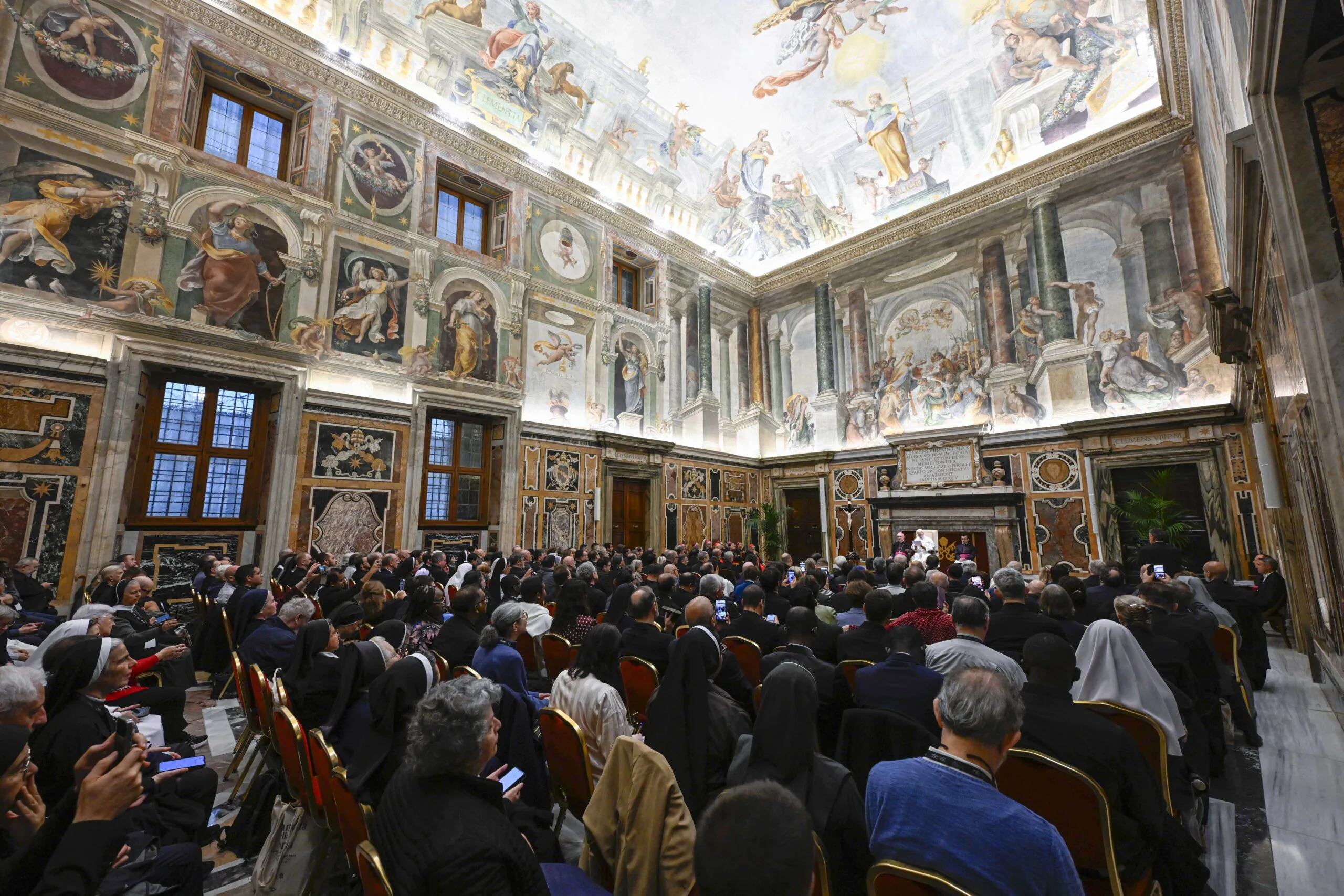
VATICAN CITY — Pope Leo XIV has highlighted the importance of sacred music in the liturgy, calling for the Church’s musical heritage to be preserved while fostering healthy inculturation of local traditions.
“For this reason, the composer of sacred music is called to know and preserve the musical heritage of the Church, allowing it to inspire new compositions at the service of the liturgy, while respecting contemporary sensibilities and the different cultural traditions,” Leo said.
In his address during his general audience at the Vatican on Aug. 19, the pontiff continued his catechesis on the Second Vatican Council’s constitution on the liturgy, Sacrosanctum Concilium.
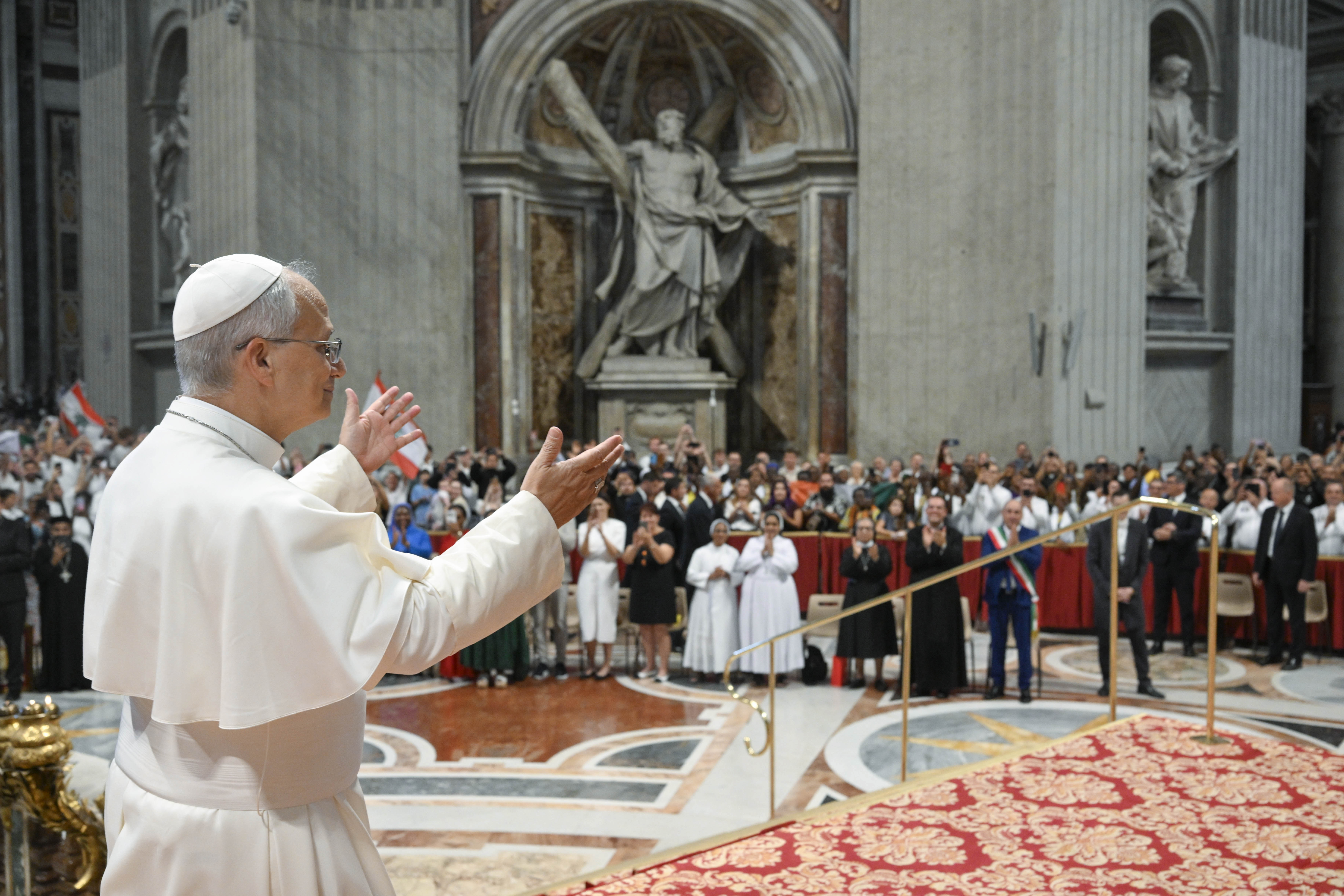
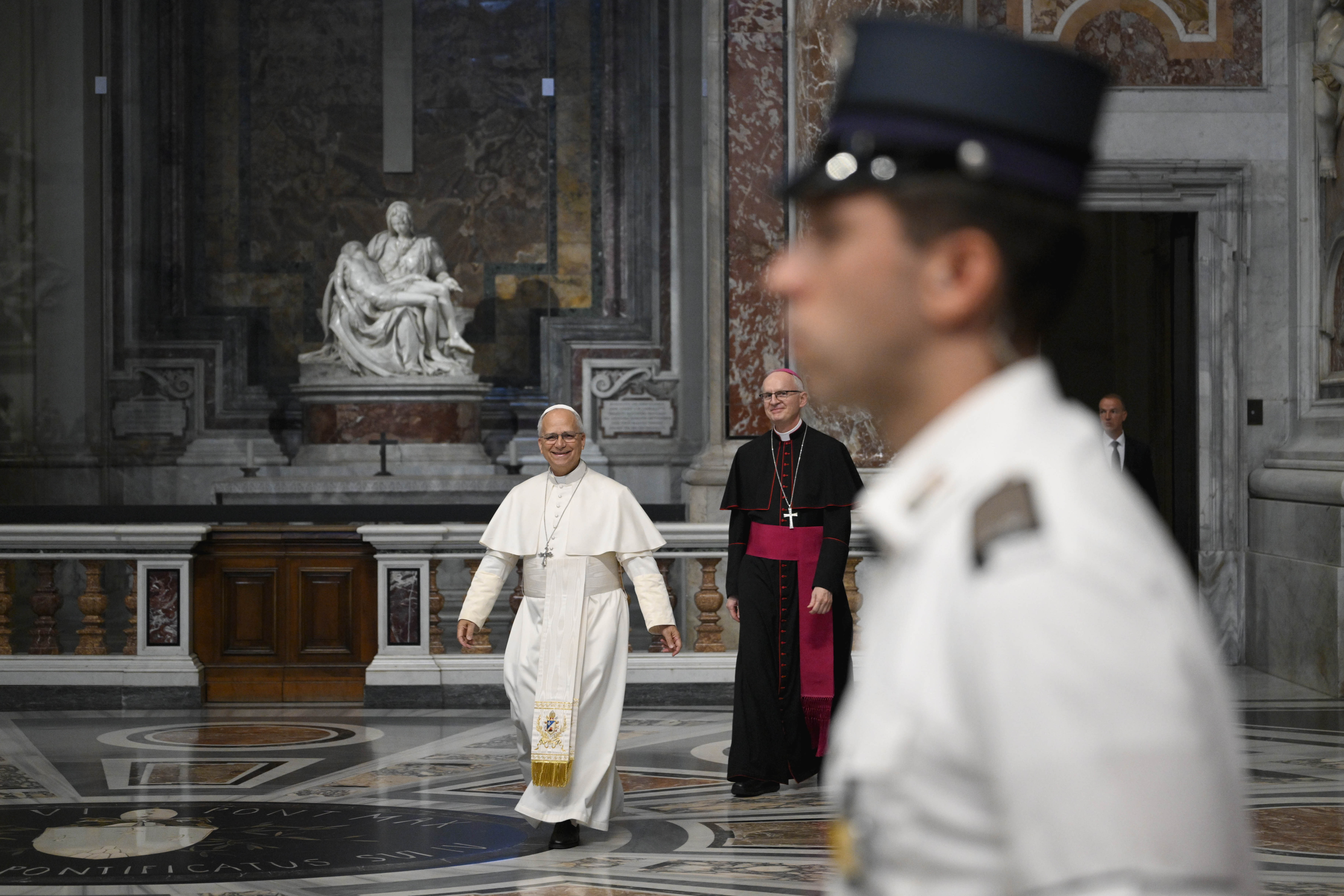
The general audience was his third of the month to be held inside St. Peter’s Basilica due to Rome’s high summer temperatures.
Sacred music — an integral part of the liturgy
Leo discussed the Second Vatican Councilʼs emphasis on the role of sacred music in the liturgy.
“The document states that ‘The musical tradition of the universal Church is a treasure of inestimable value, greater even than that of any other art,’” Leo explained.
He also explained that sacred music fosters both prayer and communion among the faithful.
“Music, indeed, is part of the liturgical action and is not merely a decorative part of the celebration,” Leo said. “In particular, music expresses the affective dimension of prayer, as St. Augustine says: ‘Cantare amantis est,‘ that is, ‘singing belongs to those who love.’”
“Singing also fosters communion. It contributes to the unity of hearts, overcoming differences between people and bringing everyone together in praise of God through the symphony of voices,” he added.
Tradition, inculturation, and active participation
The pope went on to explain that, because sacred music is so important, the liturgy should be celebrated with dignity, with music that is both noble and simple. He also highlighted the role of Gregorian chant and the pipe organ in fostering devotion during the liturgy.
“The Council then attributes great value to Gregorian chant, without excluding other genres of sacred music from the celebration. Particular attention is also given to the pipe organ, while the use of other instruments is permitted ‘on condition that the instruments are suitable, or can be made suitable, for sacred use, accord with the dignity of the temple, and truly contribute to the edification of the faithful,’” Leo said.
Leo also discussed inculturation in Church music to incorporate diverse cultures.
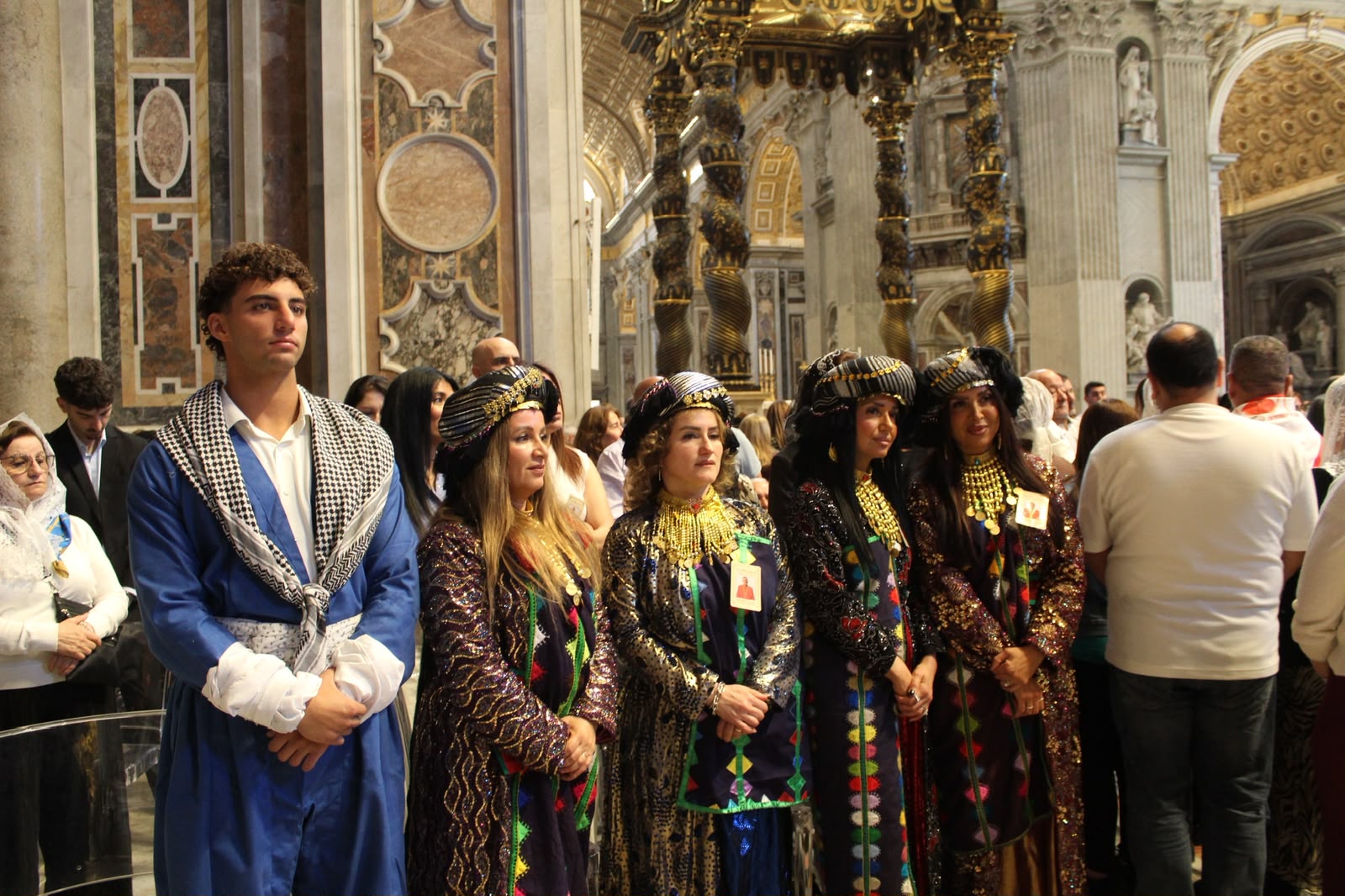
“A theme close to the Council’s reform is that of inculturation, including in the field of sacred music. In particular, with regard to the musical traditions of different cultures, the Council emphasizes the importance of taking them seriously into consideration, as they form part of people’s religious and social life.”
The pope also encouraged the faithful to participate in singing parts of the Mass to reflect the sacred mysteries being celebrated.
“Sacrosanctum Concilium devotes considerable attention to the theme of the active participation of the faithful,” Leo said. “As for the concrete way in which this can be achieved through the specific role of sacred music, the Constitution offers a clear answer: ‘the people should be encouraged to take part by means of acclamations, responses, psalmody, antiphons, and songs’ and ‘reverent silence’ should be fostered.”
Saint of the Day – rosary.team