Rome conference asks whether the Church did enough to resist totalitarian regimes
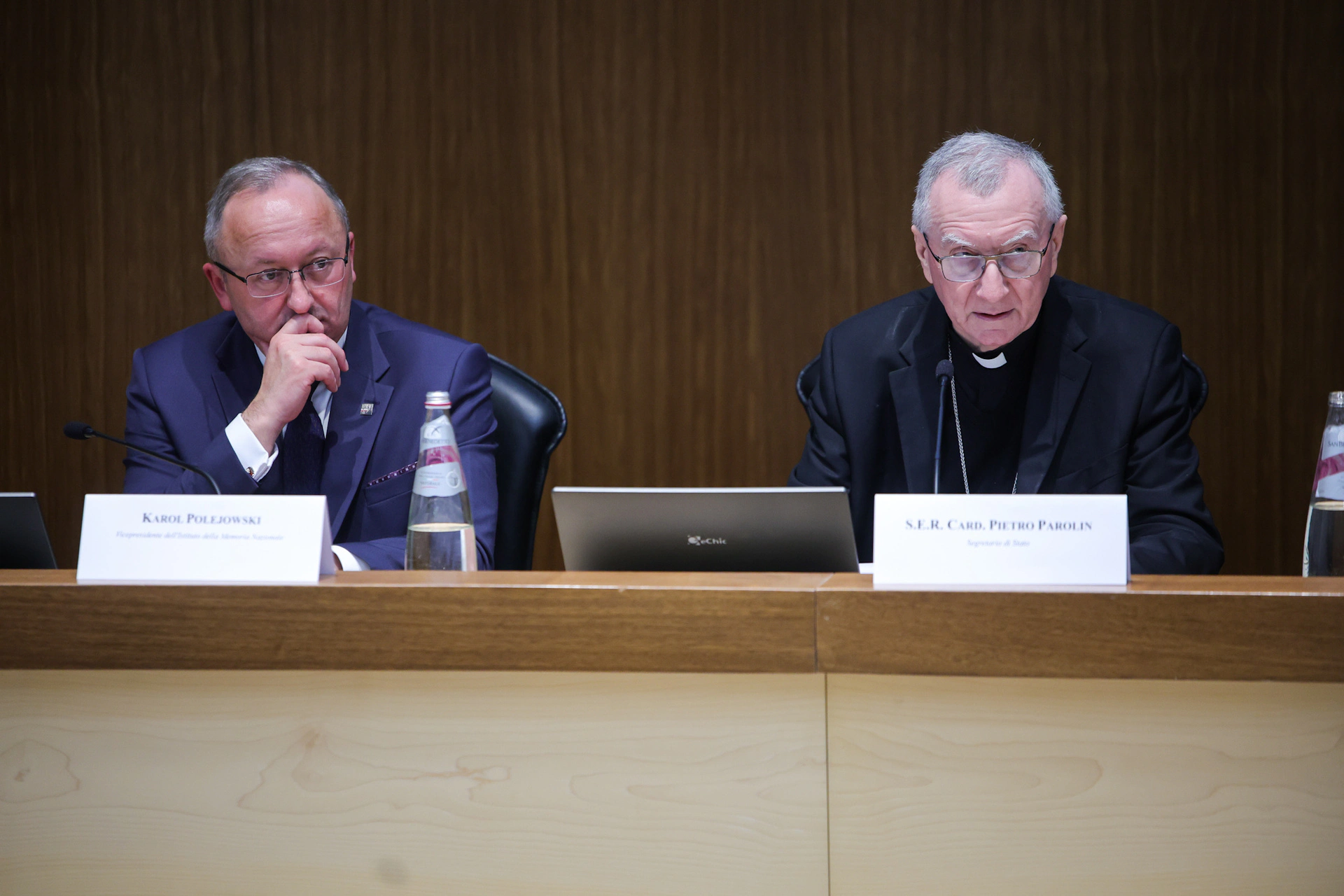
A conference in Rome this week examined how the Church addressed totalitarian regimes in the 20th century.
The conference “The Holy See in the Face of Totalitarian Systems in the 20th Century: New Perspectives and Research Directions” was held at the Pontifical Gregorian University in Rome from Oct. 28–29. Over the two days, scholars discussed how the Vatican responded to oppressive governments, particularly from the time of Pope Pius XII to the Second Vatican Council.
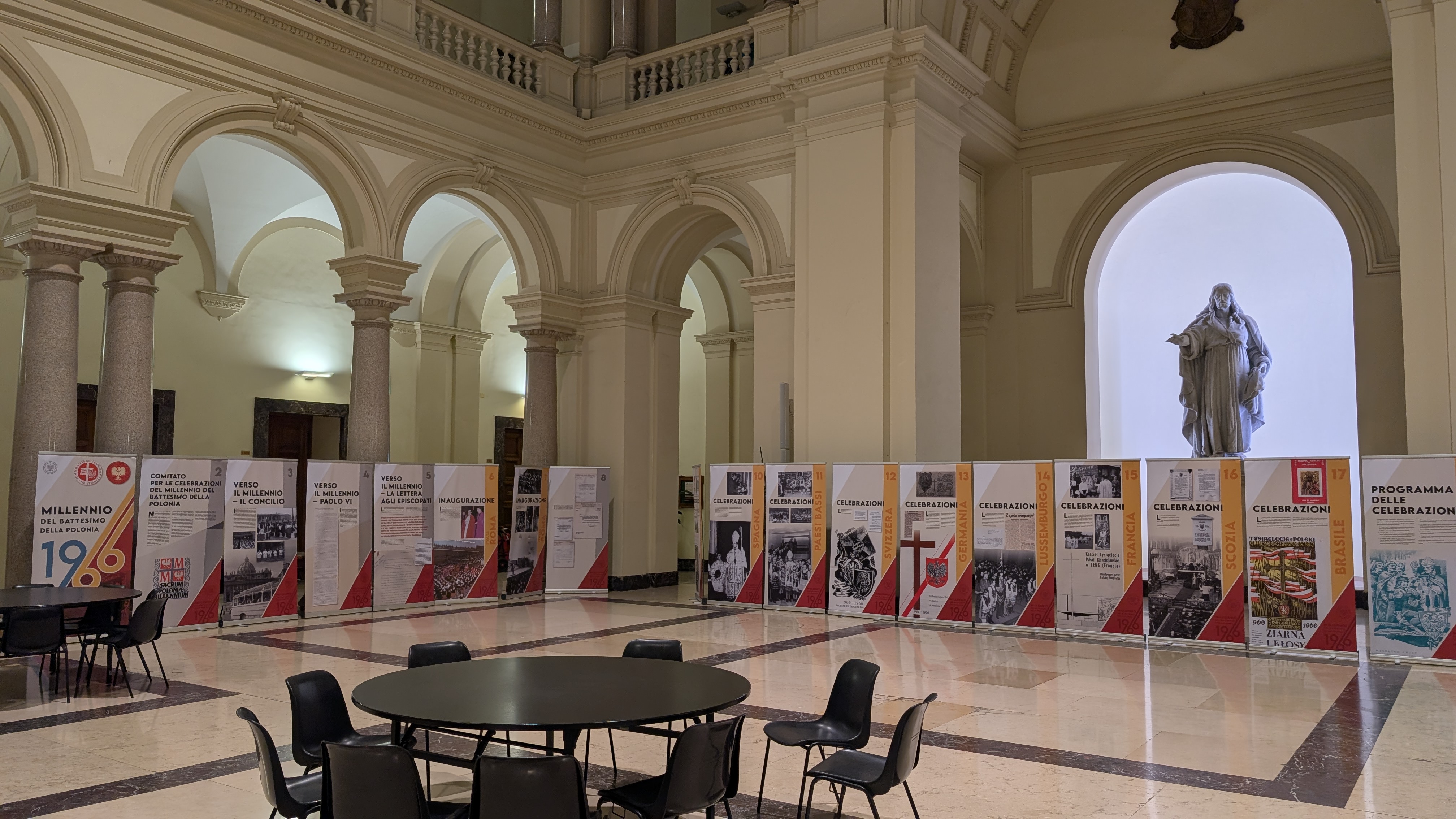
The Institute of National Remembrance – Commission for the Prosecution of Crimes against the Polish Nation and the Pontifical Committee of Historical Sciences, which organized the event, also presented a new exhibit at the Gregorian on the 1966 celebrations of the 1,000th anniversary of the Baptism of Poland in 966.
Totalitarianism: Temptation to be like God
As reported by Vatican News, the conference opened with a keynote address from Vatican Secretary of State Cardinal Pietro Parolin, who warned nations against asserting themselves in the place of God.
“[Totalitarianism] arises from the human temptation to want to ‘be like God,’ to control how humanity lives and thinks, and to impose one’s own ideological convictions on it,” Parolin said.
He also criticized the tendency of countries to elevate the state and certain constructs in place of religion.
“By elevating social class, race, or the state to the altar in God’s place, [totalitarian regimes] sacralized their ideological concepts and created political religions, with their own ‘liturgies,’ prophets, martyrs, and ethical norms,” Parolin added.
Pius XII’s Vatican and the Nazi regime
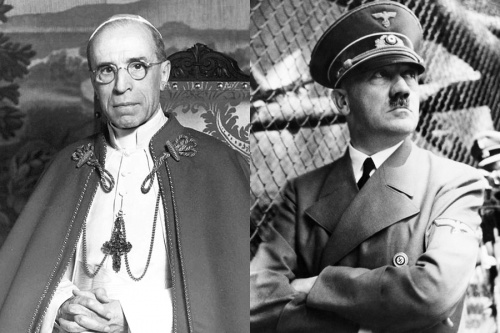
Among the topics discussed at the conference was the Holy See’s stance under Venerable Pius XII toward Nazi Germany during the Second World War, including the Holocaust.
Parolin maintained that Pius XII condemned wars in a way “that would not provoke even greater persecution” and that he displayed “a diplomacy of charity on an unprecedented scale.”
Others at the conference described the Church’s stance during this period as “sustainable.”
“I would say that the Church, and the Holy See in particular, did what it considered possible and sustainable during the periods we have discussed, just as it does today,” said Father Nicola Spinato, a theologian from Padua, Italy.
“The Holy See and the Church are not simply political actors competing within the political arena. Their role is pastoral and ecclesial,” Spinato added.
Vatican totalitarian resistance under Vatican II and John Paul II
During the conference, several participants presented on the influence of the Second Vatican Council on the Holy See’s vocal resistance to totalitarian regimes.
Spinato presented on how the Church, through the council, formulated its opposition to racism and all forms of discrimination.
“The confrontation with the totalitarianism and racism of the 20th century contributed to the development of the Church’s social teaching,” Spinato said.
Others noted St. John Paul II’s influence on Vatican diplomacy, particularly in Poland and Latin America.
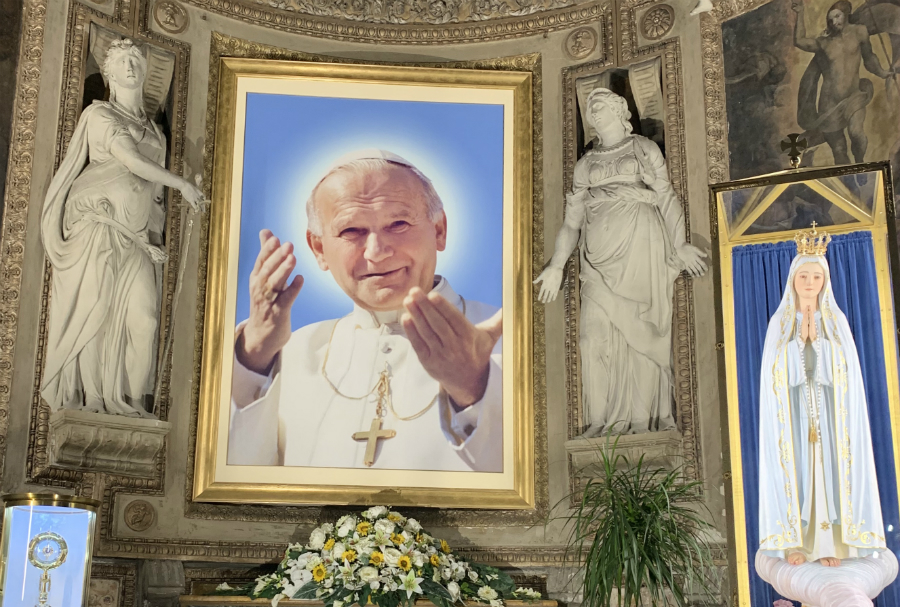
“John Paul II actively intervened to end dictatorships and to promote the return to democracy. From April 1-6, 1987, he visited Chile — a trip that would change the country’s history,” Gianni La Bella, a member of the Pontifical Committee of Historical Sciences, said.
“Following John Paul’s pilgrimages to Poland in 1983 and 1987, efforts began to overcome the crisis. His influence and laws guaranteeing religious freedom paved the way for Poland and the Holy See to restore full diplomatic relations on July 17, 1989,” Father Albert Warso, a professor at John Paul II Catholic University of Lublin, said.
Saint of the Day – rosary.team