Friday, April 24 : Saint Catherine of Siena
Roman Catholic Ordinary Calendar – rosary,team
[Santa Catalina escuchó a Dios decir:] Queridísima hija, abre bien los ojos de la inteligencia para contemplar el abismo de mi Caridad. No existe una criatura razonable en la que el corazón no se quiebre por la fuerza del Amor, al considerar todos los bienes con los que los he llenado, las gracias que reciben en este Sacramento. (…) ¿Quién gusta y ve y toca este sacramento? Los sentidos del alma. ¿Con qué ojos lo ve? Con los ojos de la inteligencia, si esos ojos poseen la pupila de la santa Fe. Estos ojos ven con pureza a Dios entero, al hombre entero, la naturaleza divina unida a la naturaleza humana. Ven el cuerpo, el alma, la sangre de Cristo, el alma unida a su cuerpo, el cuerpo y el alma unidos a mi naturaleza divina, sin que ella esté separada de Mi. (…) ¿Y quién la toca? Las manos del Amor. Si, es con estas manos que el alma toca lo que los ojos del espíritu han visto y conocido por la fe en el sacramento. Ella toca con sus manos de Amor, asegurándose de aquello que la inteligencia ha visto y conocido por la Fe. ¿Quién lo gusta? El gusto del santo deseo. El gusto corporal gusta el sabor del pan y el gusto del alma -que es el santo deseo- gusta al Dios-hombre. Ves que los sentidos del cuerpo aquí son decepcionados, pero no lo son los sentidos del alma, gracias a la luz y la certeza que ella posee en sí misma. Los ojos de la inteligencia han percibido con la pupila de la santísima Fe. Habiendo visto y conocido, toca con fe, con las manos del Amor lo que ha conocido con la fe. Con ese gusto que está en ella, por el ardiente deseo, el alma gusta lo que vio y tocó, el Amor inefable de mi ardiente Caridad. Es este Amor que ha querido invitarla a recibir un misterio tan grande, con la gracia que produce, en este Sacramento.
Lecturas Católicas Romanas – rosary.team
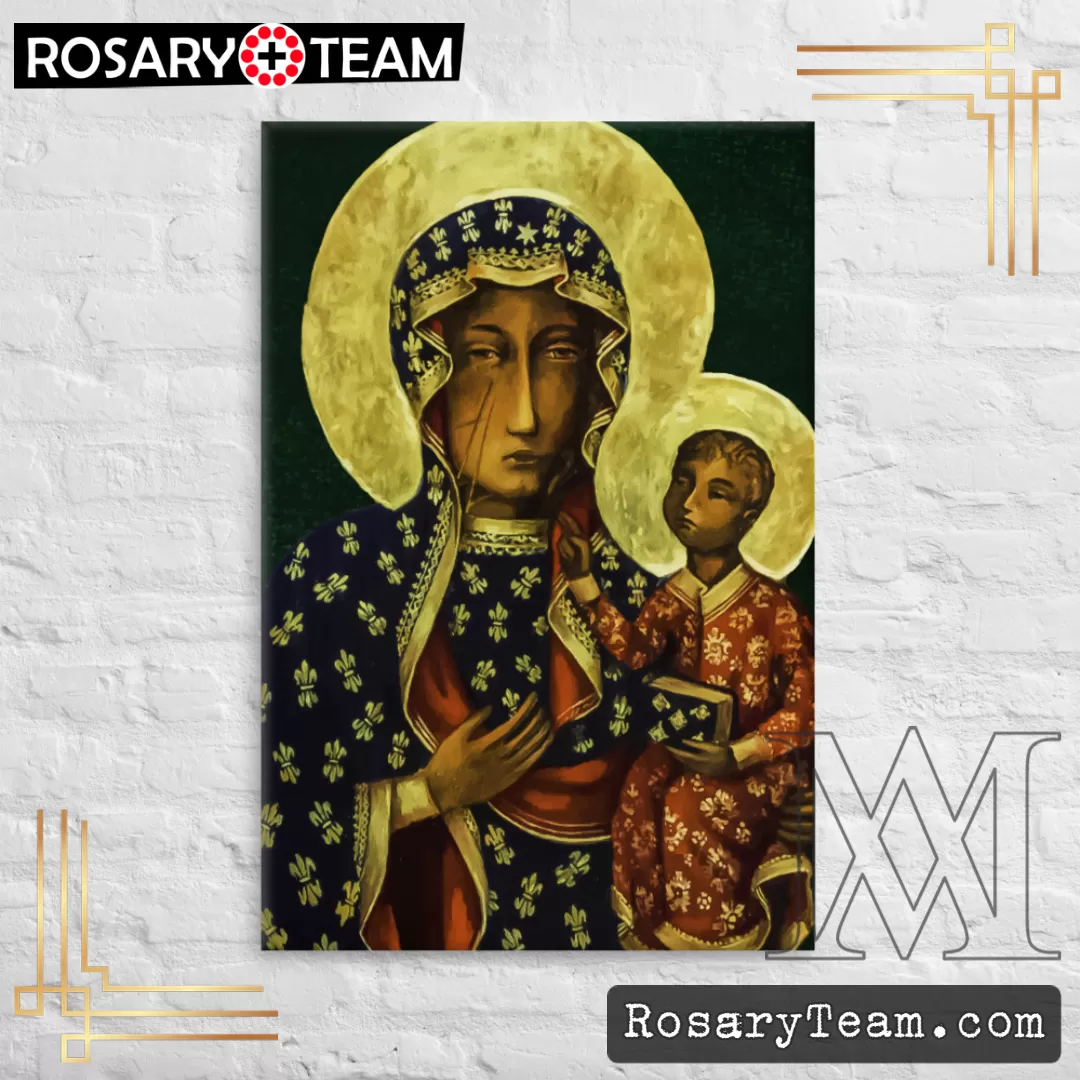
La Virgen María dio a luz a Jesucristo, lo calentó entre sus brazos, lo envolvió con pañales y lo rodeó de cuidados maternales. El cuerpo que ahora recibimos y la sangre redentora que bebemos en el sacramento del altar es este mismo Jesús. Esto es lo que tiene como verdadero la fe católica, y lo que la Iglesia enseña fielmente. ¡Ninguna lengua humana podrá glorificar suficientemente a aquella de quien tomó carne «el mediador entre Dios y los hombres»! (1 Tm 2,5). Ningún elogio humano tiene talla para estar a la medida de aquella cuyas entrañas purísimas han dado el fruto que es el alimento de nuestras almas; aquel que, dicho de otra manera, da testimonio de sí mismo con estas palabras: «Yo soy el pan vivo que ha bajado del cielo; el que coma de este pan vivirá para siempre». Y, efectivamente, nosotros que fuimos echados del paraíso de delicias a causa de un alimento, es también por un alimento que encontramos de nuevo los gozos del paraíso. Eva tomó un alimento, y nosotros hemos sido condenados un ayuno eterno; María nos ha dado un alimento, y nos ha sido abierta la entrada al festín del cielo.
Lecturas Católicas Romanas – rosary.team
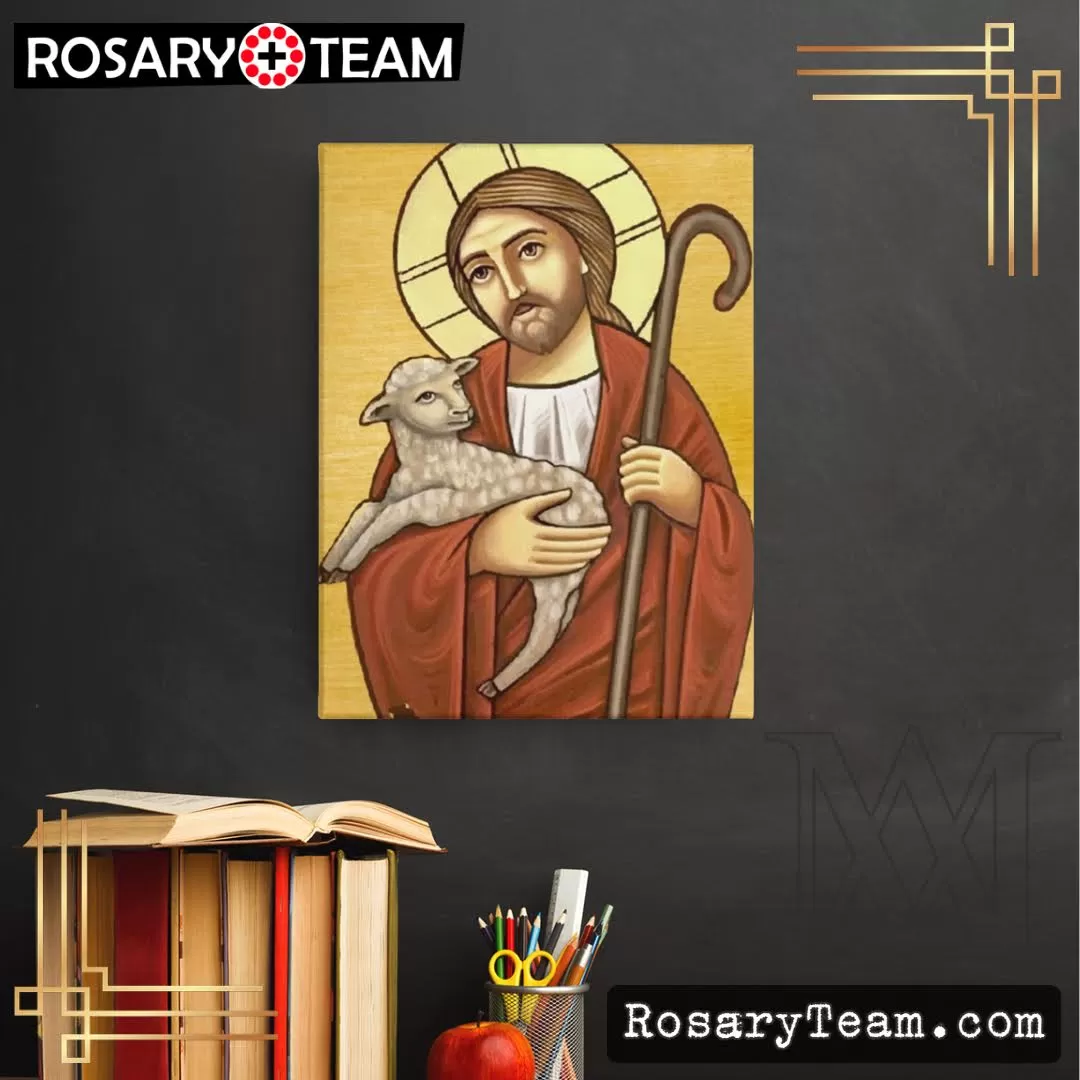
O Jesus, Good Shepherd, a shepherd who is truly good, shepherd full of lovingkindness and gentleness, the cry of a poor and wretched shepherd rises up to you: a weak and clumsy shepherd, an unprofitable shepherd (cf. Lk 17:10) and yet, in spite of all, a shepherd of your flock. Yes, Good Shepherd, the cry of this shepherd who is far from being good rises up to you. He cries to you, uneasy for himself, uneasy for your flock… You know my heart, Lord, you know my wish is to spend entirely for those you have entrusted to me all you have given to your servant …, and more than anything, to spend myself for them without counting the cost (2Cor 12:15)… Even you yourself did not disdain to spend yourself for them. Therefore teach me, Lord, even me your servant, teach me through your Holy Spirit how to expend myself for them… By your inexpressible grace grant me, Lord, to bear their weaknesses with patience, to sympathize with kindness, to help them with discretion. May your Spirit’s instruction teach me to console the afflicted, strengthen the fearful, raise up those who fall, to be weak with the weak, to share the shame of those who stumble, to make myself all things to all to gain them all (2Cor 11:29; 1Cor 9:19.22). Put true words on my lips, words that are upright and just so that they may grow in faith, hope and love, in chastity and humility, in patience and obedience, fervor of spirit and purity of heart. Since it is you who have given them this blind guide (Mt 15:14), this ignorant teacher, this incapable leader, teach him whom you have installed as their professor, guide the one you have commanded to guide others. –
Roman Extraordinary (Tridentine) Daily Readings – rosary,team
The Virgin Mary gave birth to Jesus Christ, she warmed him up in her arms, she wrapped him in swaddling clothes and surrounded him with motherly care. It is the same Jesus of which we now receive the body and drink the redeeming blood in the sacrament of the altar. This is what the Catholic Faith professes, this is what the Church teaches faithfully. No human language could glorify well enough the one in who took flesh, as we know, “the mediator between God and human race” (1Tm 2,5). No human praise is fit for the one whose pure womb produced the fruit that is food for our souls, that is the one who testifies by his own words: “I am the living bread that came down from heaven; whoever eats this bread will live forever”. And, in fact, we who have been chased away from Paradise because of a fruit, it is also by another type of food that we find the joys of Paradise again. Eve took and ate a food and we were condemned to an eternal fast; Mary gave out another food, and the doors of the heavenly feast were opened to us.
Roman Catholic Ordinary Calendar – rosary,team
“We wish to see Jesus” (Jn 12:21). This request, addressed to the Apostle Philip by some Greeks who had made a pilgrimage to Jerusalem for the Passover, echoes spiritually in our ears too… Like those pilgrims of two thousand years ago, the men and women of our own day — often perhaps unconsciously — ask believers not only to “speak” of Christ, but in a certain sense to “show” him to them. And is it not the Church’s task to reflect the light of Christ in every historical period, to make his face shine also before the generations of the new millennium? Our witness, however, would be hopelessly inadequate if we ourselves had not first contemplated his face… The contemplation of Christ’s face cannot fail to be inspired by all that we are told about him in Sacred Scripture, which from beginning to end is permeated by his mystery, prefigured in a veiled way in the Old Testament and revealed fully in the New… Remaining firmly anchored in Scripture, we open ourselves to the action of the Spirit (cf. Jn 15:26) from whom the sacred texts derive their origin, as well as to the witness of the Apostles (cf. Jn 15:27), who had a first-hand experience of Christ, the Word of life: they saw him with their eyes, heard him with their ears, touched him with their hands (cf. 1 Jn 1:1). What we receive from them is a vision of faith based on precise historical testimony:
maronite readings – rosary,team
Every reasonable soul has the true God as its source: it must choose what suits it and reject what displeases it, because it knows deep within itself what is good and what is bad. God, who is unique, conceived in the energy of his heart a precise and unique work, and this work he multiplied in a magnificent way. For God is a living fire, a fire by which souls breathe, a fire which existed before the beginning, which is the origin and the time of times. The will of God entirely penetrates the perishable world, it inspires there the end of the world, which is eternity. The omnipotence of God has temperance made of balance, it has neither beginning nor end, and has all amplitude to accomplish what it desires, without any exception. To the perfection which allows the power of God to subdue everything is added love, as a sort of tranquility in action: it is because love perfectly accomplishes the will of God – a source of peace. Love, however, takes on different adornments, as numerous as the virtues acting in man: love is the source of all good. Man must direct all the intentions of his heart towards this true sun. It is in this look of love that the foreknowledge of God is manifested: love and foreknowledge are in harmony with each other. (…) The man who chooses to submit to love loves what is in God, he contemplates God in the purity of his faith, he offers him nothing mortal, but settles from now on in celestial joys and God has planned from all eternity that he would come to him.
Roman Catholic Ordinary Calendar – rosary,team
“نُرِيدُ أَنْ نَرَى يَسُوعَ” (يُو ١٢: ٢١). هٰذَا ٱلطَّلَبُ، ٱلَّذِي تَقَدَّمَ بِهِ إِلَىٰ ٱلرَّسُولِ فِيلِبُّسَ بَعْضُ ٱلْيُونَانِيِّينَ ٱلْآتِينَ إِلَىٰ ٱلْحَجِّ فِي أُورَشَلِيمَ بِمُنَاسَبَةِ عِيدِ ٱلْفِصْحِ، لَا يَزَالُ يُدَوِّي رُوحِيًّا فِي آذَانِنَا… فَكَمَا حَدَثَ لِلْحُجَّاجِ مُنْذُ أَلْفَيْ سَنَةٍ، هٰكَذَا حَالُ مُعَاصِرِينَا ٱلَّذِينَ يَطْلُبُونَ مِنَ ٱلْمُؤْمِنِينَ ٱلْيَوْمَ، وَإِنْ بِطَرِيقَةٍ غَيْرِ وَاعِيَةٍ، لَيْسَ فَقَطْ أَنْ يُكَلِّمُوهُمْ عَنِ ٱلرَّبِّ يَسُوعَ ٱلْمَسِيحِ، بَلْ أَنْ “يَجْعَلُوهُمْ يَرَوْنَهُ”. أَلَمْ تَتَسَلَّمِ ٱلْكَنِيسَةُ رِسَالَةَ إِيصَالِ نُورِ ٱلرَّبِّ يَسُوعَ ٱلْمَسِيحِ فِي كُلِّ حِقْبَةٍ مِنَ ٱلتَّارِيخِ، وَجَعْلِ وَجْهِهِ يَشِعُّ أَيْضًا أَمَامَ أَجْيَالِ ٱلْأَلْفِيَّةِ ٱلْجَدِيدَةِ؟ إِنَّ شَهَادَتَنَا تُصْبِحُ فَقِيرَةً، بِطَرِيقَةٍ غَيْرِ مَقْبُولَةٍ، إِنْ لَمْ نَبْدَأْ نَحْنُ أَوَّلًا بِٱلتَّأَمُّلِ فِي وَجْهِهِ… وَٱلتَّأَمُّلُ بِوَجْهِ ٱلرَّبِّ يَسُوعَ ٱلْمَسِيحِ يَقُودُنَا حَتْمًا إِلَىٰ مَا يَقُولُهُ ٱلْكِتَابُ ٱلْمُقَدَّسُ بِشَأْنِهِ. فَهُوَ مِنْ أَوَّلِهِ إِلَى آخِرِهِ مَلِيءٌ بِسِرِّهِ، ٱلْمُعْلَنِ عَنْهُ بِطَرِيقَةٍ مُحْتَجِبَةٍ فِي ٱلْعَهْدِ ٱلْقَدِيمِ، وَٱلْمَكْشُوفِ تَمَامًا فِي ٱلْعَهْدِ ٱلْجَدِيدِ… فَإِذَا مَا بَقِينَا ثَابِتِينَ فِي ٱلْكِتَابِ ٱلْمُقَدَّسِ، نَنْفَتِحُ عَلَىٰ عَمَلِ ٱلرُّوحِ (رَاجِع يُو ١٥: ٢٦)، ٱلَّذِي هُوَ فِي أَصْلِ ٱلْكِتَابِ، وَعَلَىٰ شَهَادَةِ ٱلرُّسُلِ (رَاجِع يُوحَنَّا ١٥: ٢٧)، ٱلَّذِينَ عَاشُوا حَيَاتِيًّا ٱخْتِبَارَ ٱلْمَسِيحِ، كَلِمَةِ ٱلْحَيَاةِ، فَرَأَوْهُ بِعُيُونِهِمْ وَسَمِعُوهُ بِآذَانِهِمْ وَلَمَسُوهُ بِأَيْدِيهِمْ (رَاجِع ١يُو ١: ١). فَبِوَاسِطَتِهِمْ تَصِلُنَا رُؤْيَةٌ إِيمَانِيَّةٌ تَرْتَكِزُ عَلَىٰ شَهَادَتِهِمُ ٱلتَّارِيخِيَّةِ ٱلْمُحَدَّدَةِ.
maronite readings – rosary.team
“Though the earth and all who dwell in it quake, I have set firm its pillars” (Ps 74[75],40). All the apostles are pillars of the earth but, at their head, the two whose feast we are celebrating. They are the two pillars who support the Church with their teaching, their prayer and the example of their steadfastness. The Lord himself strengthened these pillars. For at first they were weak, completely incapable of supporting either themselves or others. And in this the Lord’s great design appears: it they had always been strong people could have thought their strength came from themselves. That is why the Lord wanted to show what they were capable of before strengthening them, so that all might know their strength came from God… Peter was thrown to the ground by the voice of a mere servant… and the other pillar was very weak too: “I was once a blasphemer and persecutor and an arrogant man” (1Tm 1,13)… Hence we must ought to praise these saints with all our heart: our fathers who bore such trials for the Lord’s sake and who persevered with such determination. It is nothing to persevere in joy, happiness and peace. But this is what is great: to be stoned, scourged, struck for Christ (2Cor 11,25) and in all this to persevere with Christ. With Paul it is a great thing to be cursed and to bless, to be persecuted and to endure, to be slandered and to console, to be like the world’s rubbish and to draw glory from it (1Cor 4,12-13)… And what shall we say of Peter? Even if he had undergone nothing for Christ, it would be sufficient to celebrate him today in that he was crucified for him… He well knew where he whom he loved, he whom he longed for was…: his cross has been his road to heaven.
Roman Extraordinary (Tridentine) Daily Readings – rosary,team
Toda alma razonable tiene como fuente al verdadero Dios. Ella debe elegir lo que agrada a Dios y rechazar lo que a él desagrada, ya que el alma conoce en lo profundo de sí misma lo que es bueno y lo que es malo. Dios, que es único, en la energía de su corazón ha concebido una obra precisa y única y esta obra la ha multiplicado magníficamente. Porque Dios es un fuego vivo, un fuego para que respiren las almas, fuego que existe antes del comienzo, origen y tiempo de los tiempos. La voluntad de Dios penetra enteramente el mundo perecedero e inspira el término del mundo, que es la eternidad. El poder de Dios posee la redondez de un temperamento hecho de equilibrio, no tiene ni comienzo ni fin y posee toda la amplitud para cumplir lo que desea, sin excepción. A la perfección que permite al poder de Dios de someter todo, se une el amor, como una especie de quietud en la acción, ya que el amor cumple perfectamente la voluntad de Dios, fuente de paz. El amor reviste sin embargo diferentes aspectos, tan numerosos como las virtudes que actúan en el hombre ya que el amor es la fuente de todo bien. El hombre debe dirigir hacia ese verdadero sol todas las intenciones de su corazón. La presciencia de Dios se manifiesta en esa mirada de amor: amor y presciencia se acuerdan entre ellos. (…) El hombre que elige someterse al amor, ama lo que está en Dios, contempla a Dios en la pureza de la fe, no le ofrece nada mortal, sino que habita desde ahora en las alegrías celestes. Dios ha previsto desde la eternidad que vendrá hacia él.
Lecturas Católicas Romanas – rosary.team